· Sustainability · 4 min read
Our Seas Under Pressure
What climate change, overuse, and anchoring really do: current facts on oceans, seagrass, microplastics, and coastal ecosystems.
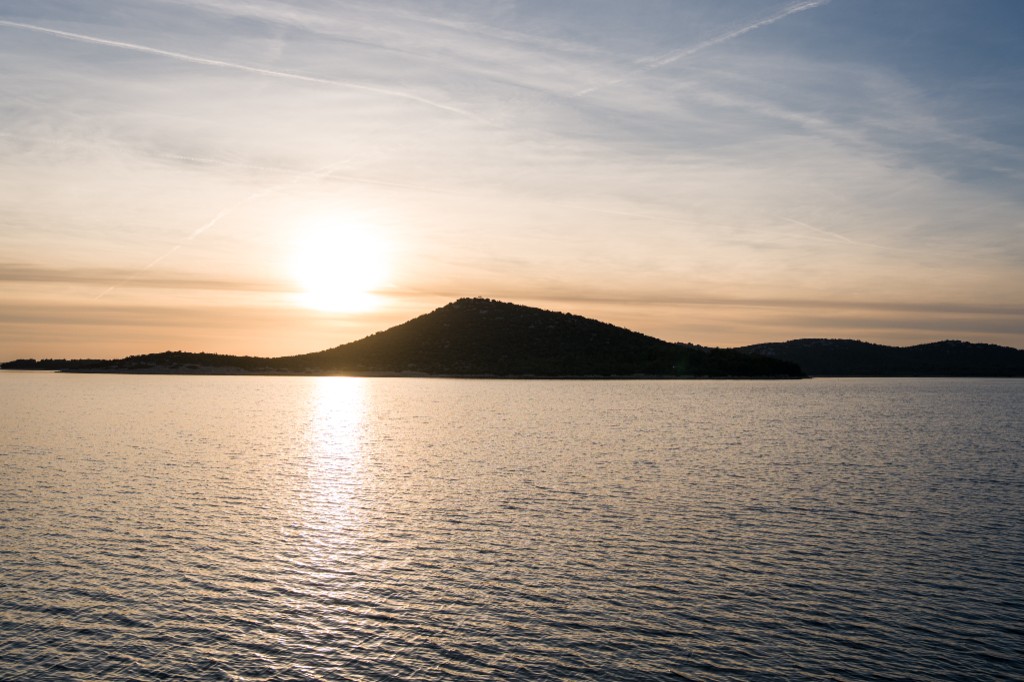
The sea feels endless. But it is not.
When we are on the water, everything feels vast and untouched. Horizon, wind, open space.
Scientifically, however, our seas are under massive pressure. Not somewhere far offshore, but also exactly where we anchor, swim, and spend our summers.
This is not about symbolic politics.
It is about measurable change.
Let us look at what current studies show.
1. The oceans are getting warmer - faster than expected
According to the Intergovernmental Panel on Climate Change (IPCC, 2023), the oceans have absorbed more than 90% of the additional heat caused by human-made climate change.
The consequences:
- more frequent marine heatwaves
- coral bleaching
- shifts in fish populations
- low-oxygen zones
Study / source: IPCC Sixth Assessment Report (AR6), Working Group I
Warmer seas mean less stable ecosystems. And these ecosystems react more sensitively to additional pressure such as anchoring, overuse, or pollution.
2. Seagrass meadows are disappearing dramatically
Seagrass is one of the most important carbon stores in the sea. It stabilizes the seabed, produces oxygen, and provides habitat for countless species.
According to a widely cited international study by Waycott et al. (2009, PNAS), seagrass meadows worldwide are declining at a rate of about 7% per year - one of the highest documented loss rates among coastal ecosystems.
Study: Waycott, M. et al. (2009). Accelerating loss of seagrasses across the globe threatens coastal ecosystems. Proceedings of the National Academy of Sciences (PNAS).
Why this matters for skippers
In the Mediterranean, Posidonia oceanica is especially affected. This seagrass species grows extremely slowly. When it is damaged, regeneration can take decades.
Main causes include:
- coastal development
- nutrient inputs
- climate change
- repeated, uncontrolled anchoring
Every anchor that drags through a seagrass meadow leaves visible traces. In heavily frequented bays, this effect adds up quickly.
And this is exactly where responsibility begins on a small scale.
3. Microplastics are everywhere
According to the United Nations Environment Programme (UNEP), an estimated more than 11 million tonnes of plastic enter the oceans every year - and the trend is rising.
Source: UNEP Report “From Pollution to Solution”, 2021
Plastic breaks down into microplastics, which have now been detected in fish, mussels, and even human blood.
Maritime infrastructure also plays a role. Cheap materials with short life cycles make the problem worse.
That is why sustainability also means durable systems instead of throwaway thinking.
4. Overuse of coastal regions
Popular bays are extremely busy during high season.
Consequences include:
- crowded anchorages
- damage to seabeds and seagrass
- conflicts between boats
- increased accident risk
The European Environment Agency (EEA) regularly points to the growing pressure on coastal ecosystems from tourism and recreational use.
Source: European Environment Agency - Marine messages II
The problem is not one individual boat. It is the sum of many unplanned uses.
What does this mean for us as skippers and operators?
We are not the cause of every problem. But we are part of the system.
And that means we can also be part of the solution.
Sustainability in the maritime world does not mean going on the water less.
It means doing it more consciously.
For example through:
- protection of sensitive seagrass areas
- structured buoy fields instead of uncontrolled anchoring
- durable materials
- plannable use instead of chaotic crowding
The shift: Why structure is more sustainable than chaos
Uncontrolled anchoring spreads pressure unpredictably across large areas.
A well-planned, sustainable buoy field concentrates use at defined and checked points.
That reduces:
- area damage
- conflicts
- search traffic
- unnecessary engine hours
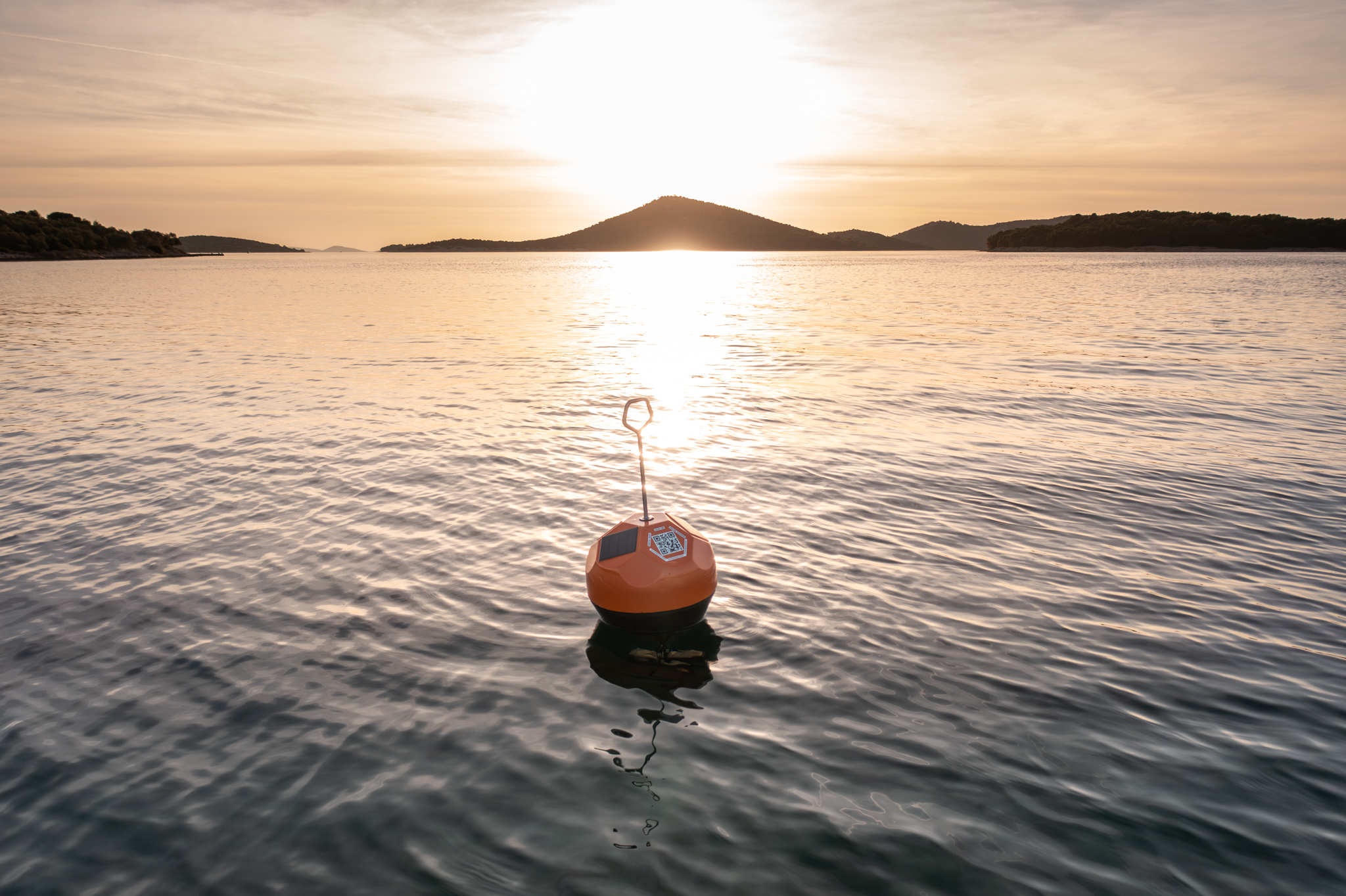
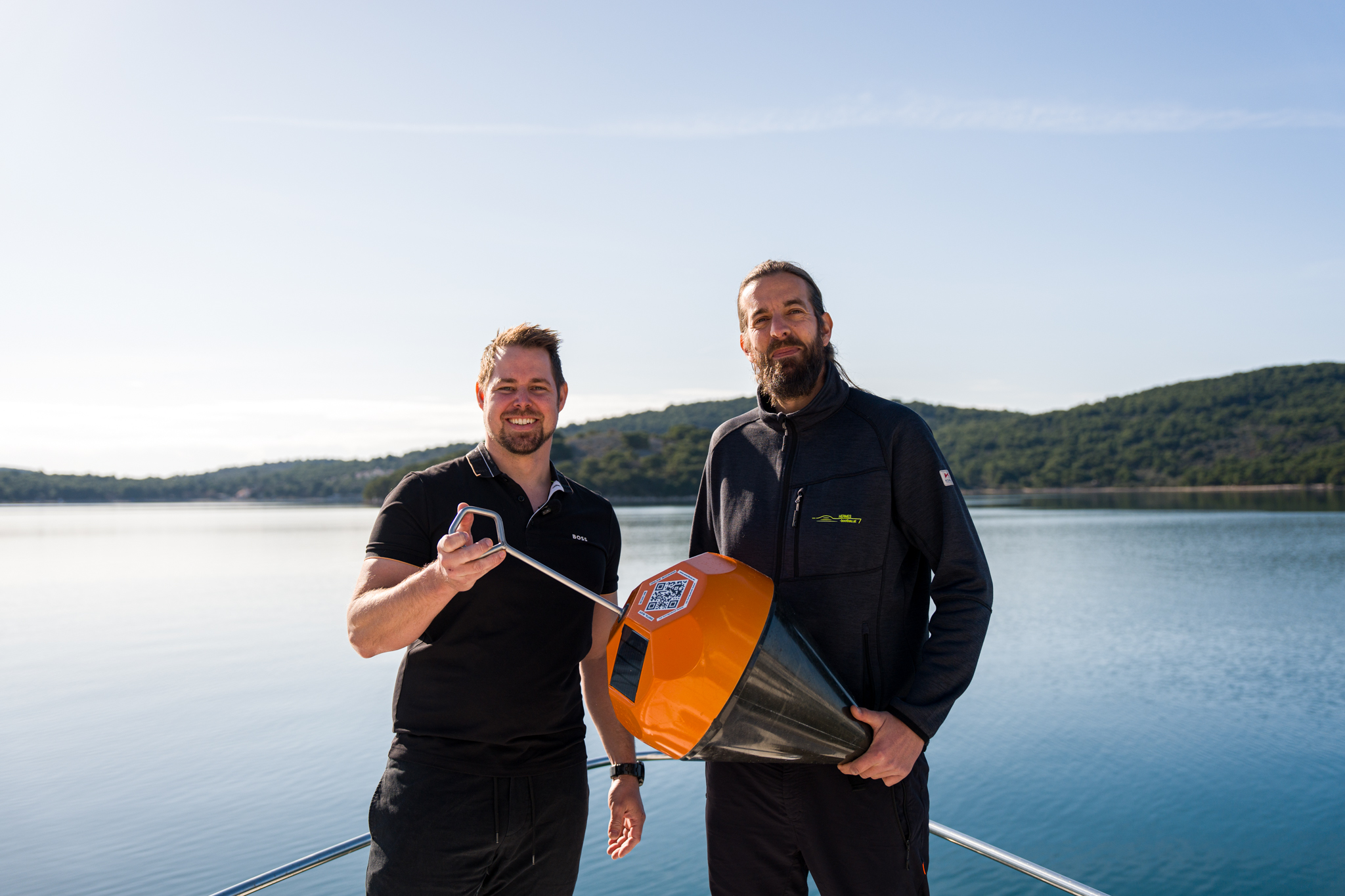
SmartBuoy follows exactly this approach:
- durable materials with a significantly longer service life
- digital plannability to reduce search traffic
- clear allocation instead of uncertainty
- transparent use instead of uncontrolled growth
Here, sustainability is not a marketing term. It is infrastructure.
Why now is the right time
The seas are under pressure. Science is clear on that.
But we have the opportunity to rethink maritime use.
Not radically.
Not ideologically.
But pragmatically.
Every structured solution that reduces chaos protects resources.
Every durable installation saves material.
Every plannable arrival avoids unnecessary emissions.
Sustainable impact does not come from big words. It comes from better systems.
Responsibility starts in the bay
The sea appears strong. And it is strong. But it cannot absorb unlimited pressure.
If we want future generations to experience clear bays, living seagrass meadows, and stable ecosystems, we need to keep developing maritime infrastructure.
Safe. Structured. Sustainable.
And this is where modern responsibility on the water begins.